Scope
This symposium is designed to provide participants with a comprehensive and practical
exploration of how Artificial Intelligence (AI) can be leveraged to support disaster
prevention and mitigation efforts across diverse hazard domains. The scope of the symposium
spans natural disasters (e.g., floods, wildfires, earthquakes, hurricanes), technological
and industrial accidents, public health emergencies, and cyber-physical infrastructure
disruptions. Emphasis is placed on pre-disaster risk reduction, early warning, preparedness,
and mitigation rather than post-event response alone.
The symposium will cover a broad range of AI-driven techniques
and applications, including predictive modeling, geospatial and satellite image analysis,
sensor data fusion, anomaly detection, simulation and forecasting, and decision-support
systems for emergency planning. Participants will engage with real-world case studies that
illustrate how AI has been used to identify vulnerabilities, forecast impacts, prioritize
mitigation actions, and improve resilience at community and infrastructure levels.
This symposium is intended for an interdisciplinary audience,
including researchers, students, emergency management professionals, policymakers,
infrastructure operators, urban planners, public health practitioners, and industry
technologists. Participants are not expected to have advanced expertise in AI; introductory
concepts will be provided where necessary, while advanced discussions will address system
integration, scalability, ethics, and governance.
Participants will benefit from interactive discussions, knowledge sharing, and guided
exploration of best practices, challenges, and emerging research directions. By the end of
the symposium, attendees will have a clearer understanding of AI’s capabilities and
limitations in disaster prevention and mitigation, as well as actionable insights for
applying AI-driven approaches within their own professional or research contexts.
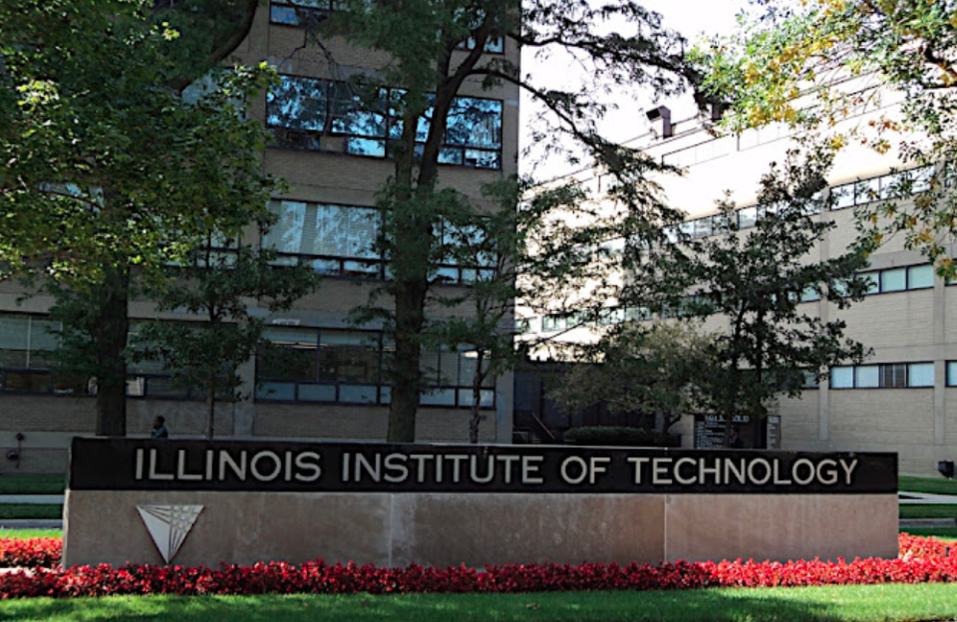 Smart City and Infrastructure EngineeringChicago, USA October 9, 2026